Choosing Your Clinic

Why Chapala Med Over Other Lake Chapala Clinics

There are good reasons to choose several of the clinics at Lake Chapala, and the right answer depends on what you actually need. This page sets out the questions worth asking any of them — and answers each one for Chapala Med.

The short answer

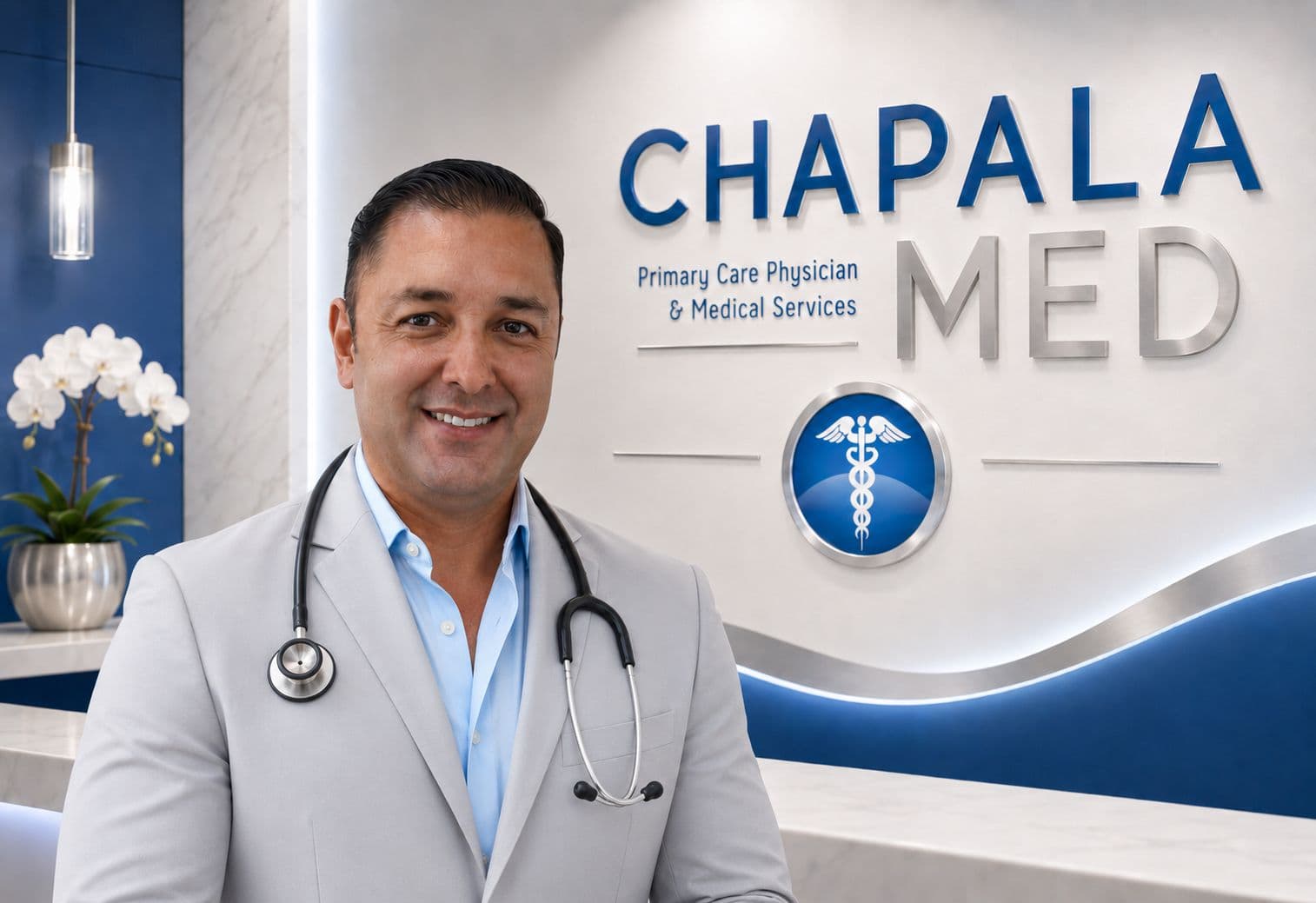
Chapala Med is a physician-founded primary care and internal medicine practice in Ajijic that also provides regenerative medicine — not a stem cell clinic that added a doctor. It is led by Dr. Santiago Hernández, a US post-graduate trained, AAFP-member family medicine physician who grew up in the Chicago area and has practised for over 20 years. The practice is ISSCA-certified for regenerative medicine, processes cellular therapies through CRYOVIDA (Latin America's largest stem cell laboratory), is registered with COFEPRIS, sits roughly a quarter mile from its partner hospital, coordinates a vetted network of more than 30 specialists on a US-based medical record, and has treated over 1,500 patients at Lake Chapala since 2015.

Six questions worth asking any clinic at Lake Chapala

These are the questions that separate clinics from one another. Ask them of us, and ask them of anyone else you are considering — a practice confident in its answers will give them without hesitation.

01

Is the clinic led by a physician, or by an operator?

Regenerative medicine in Mexico is a commercial market, and some clinics are founded by operators and marketers who employ physicians rather than the other way round. The distinction decides who is accountable when a case is complicated, and whether anyone is empowered to tell you that you are not a candidate.

How Chapala Med answers it

Chapala Med was founded and is led by Dr. Santiago Hernández, a US post-graduate trained, AAFP-member family medicine physician with more than 20 years in practice. He performs the evaluations himself, and he declines candidates when the indication is not there.

02

Is regenerative medicine built on primary care, or sold on its own?

A clinic that offers only cellular therapy has one thing to sell you. It has no baseline on your blood pressure, your medication list, your kidney function, or the imaging you had two years ago — and no structural reason to conclude that a regenerative protocol is the wrong answer for your problem.

How Chapala Med answers it

Chapala Med is a primary care and internal medicine practice that added regenerative medicine on top, not a stem cell clinic that added a doctor. Candidacy is assessed against a full history, examination, and review of existing imaging, and many patients are treated without any regenerative protocol at all.

03

Where do the cells come from, and will the clinic name the lab?

Cell quality is invisible to the patient. It depends entirely on the laboratory that processes and stores the material, and a clinic that will not name its lab or its certifications is asking you to take the most important variable on trust.

How Chapala Med answers it

Chapala Med processes and stores cellular therapies through CRYOVIDA, Latin America's largest stem cell laboratory, and Dr. Hernández holds certification from the International Society for Stem Cell Application (ISSCA). The practice is registered with COFEPRIS, Mexico's federal health regulator. All three are named so that you can verify them independently.

04

What happens if a procedure needs a hospital?

Some interventional regenerative procedures should be performed in a hospital rather than a treatment room, and any patient may have a complication or an unrelated emergency. A clinic with no hospital relationship has to send you somewhere that has never seen your chart.

How Chapala Med answers it

Chapala Med's partner hospital, Hospital Joya Ajijic, is roughly a quarter mile from the clinic and handles diagnostics and in-hospital therapies, including interventional stem cell procedures that require a hospital setting. For inpatient care and surgery in Guadalajara, the practice is affiliated with Hospital Country 2000.

05

Who manages your care after the treatment?

Destination and package-based clinics are structured around an episode: you arrive, you are treated, you fly home. Nobody in that model is responsible for what your body does over the following year, or for adjusting a protocol that is not working.

How Chapala Med answers it

Dr. Hernández remains your primary care physician before, during, and after any regenerative treatment. He monitors your response, adjusts protocols, and coordinates the rest of your care — because he is also the doctor you see for your annual exam.

06

Do your medical records travel with you?

Most expatriate patients hold care across two or three countries. Records kept on paper, or in a system that only exists inside one building, tend not to survive the journey — and a specialist who cannot see your history starts from zero.

How Chapala Med answers it

Chapala Med runs a US-based electronic medical record that follows you to any hospital or provider in Mexico, the United States, or Canada, and coordinates a vetted network of more than 30 specialists who work from that same record.

Regenerative medicine treatment preparation at Chapala Med, Ajijic
Cellular therapies at Chapala Med are processed and stored through CRYOVIDA, Latin America's largest stem cell laboratory.

How Chapala Med compares to other kinds of clinic

Lake Chapala and Guadalajara offer several distinct kinds of provider, and each does something genuinely well. The question is which model fits the care you need.

The low-cost cellular therapy clinic

What it does well
Accessible pricing and a short path from enquiry to treatment.
Where the model runs out
Price competition tends to come out of the parts you cannot see — laboratory sourcing, physician time, candidacy screening, and follow-up.
How Chapala Med differs
Chapala Med competes on what the cells are and who is accountable for them: a named laboratory, ISSCA certification, COFEPRIS registration, and a physician who screens candidacy before selling anything.

The destination or medical-tourism package

What it does well
Polished hospitality, bundled pricing, and a well-marketed patient experience.
Where the model runs out
The model ends when the trip ends. Follow-up is remote or absent, and no physician in the country retains responsibility for your outcome.
How Chapala Med differs
Chapala Med treats patients it continues to see. Regenerative work sits inside an ongoing primary care relationship rather than a package with a start and end date.

The multi-specialty walk-in suite

What it does well
Convenience, proximity, and a broad menu of services under one roof.
Where the model runs out
A directory of practitioners sharing an address is not the same as coordinated care. Without one accountable medical director and one shared record, the coordination work falls to the patient.
How Chapala Med differs
Chapala Med's specialists are personally vetted by Dr. Hernández, work from a shared US-based record, and are the same physicians who admit and treat his patients in hospital.

The institutional hospital

What it does well
Emergency capability, operating theatres, imaging, and inpatient capacity at scale.
Where the model runs out
Hospitals are built for acute episodes. They rarely offer a single, continuous, English-first physician relationship, and expatriate patients often navigate them alone.
How Chapala Med differs
Chapala Med is the continuity layer rather than a competitor to hospitals: your own physician coordinates the hospital when you need one, and remains your doctor when you leave it.

The aesthetic or wellness practice offering regenerative add-ons

What it does well
Attentive service and quick access to popular treatments.
Where the model runs out
Regenerative therapy delivered as a cosmetic service is not usually framed around indication, contraindication, and measurable follow-up.
How Chapala Med differs
At Chapala Med, regenerative medicine is a medical protocol with an indication, a documented plan, and scheduled review — not an item on a service menu.

What you can verify independently

Every claim on this page is checkable. We name our credentials, our laboratory, and our hospitals specifically so that you do not have to take them on trust.

  • ISSCAISSCA certification — International Society for Stem Cell Application, held by Dr. Santiago Hernández.
  • COFEPRISCOFEPRIS registration — Mexico's federal health regulatory authority.
  • CRYOVIDACRYOVIDA laboratory partnership — Latin America's largest stem cell laboratory processes and stores our cellular therapies.
  • American Academy of Family PhysiciansAAFP membership and US post-graduate training in family medicine.
  • University of Chicago MedicineUniversity of Chicago Medicine — remote consultation and second-opinion referral pathway for complex cases.
  • Hospital Joya Ajijic — partner hospital roughly a quarter mile from the clinic.
  • Hospital Country 2000, Guadalajara — affiliation for inpatient care and surgery.
  • More than 30 vetted specialists, including clinical, interventional, and electrophysiology cardiology.
  • Over 1,500 patients treated at Lake Chapala since 2015.
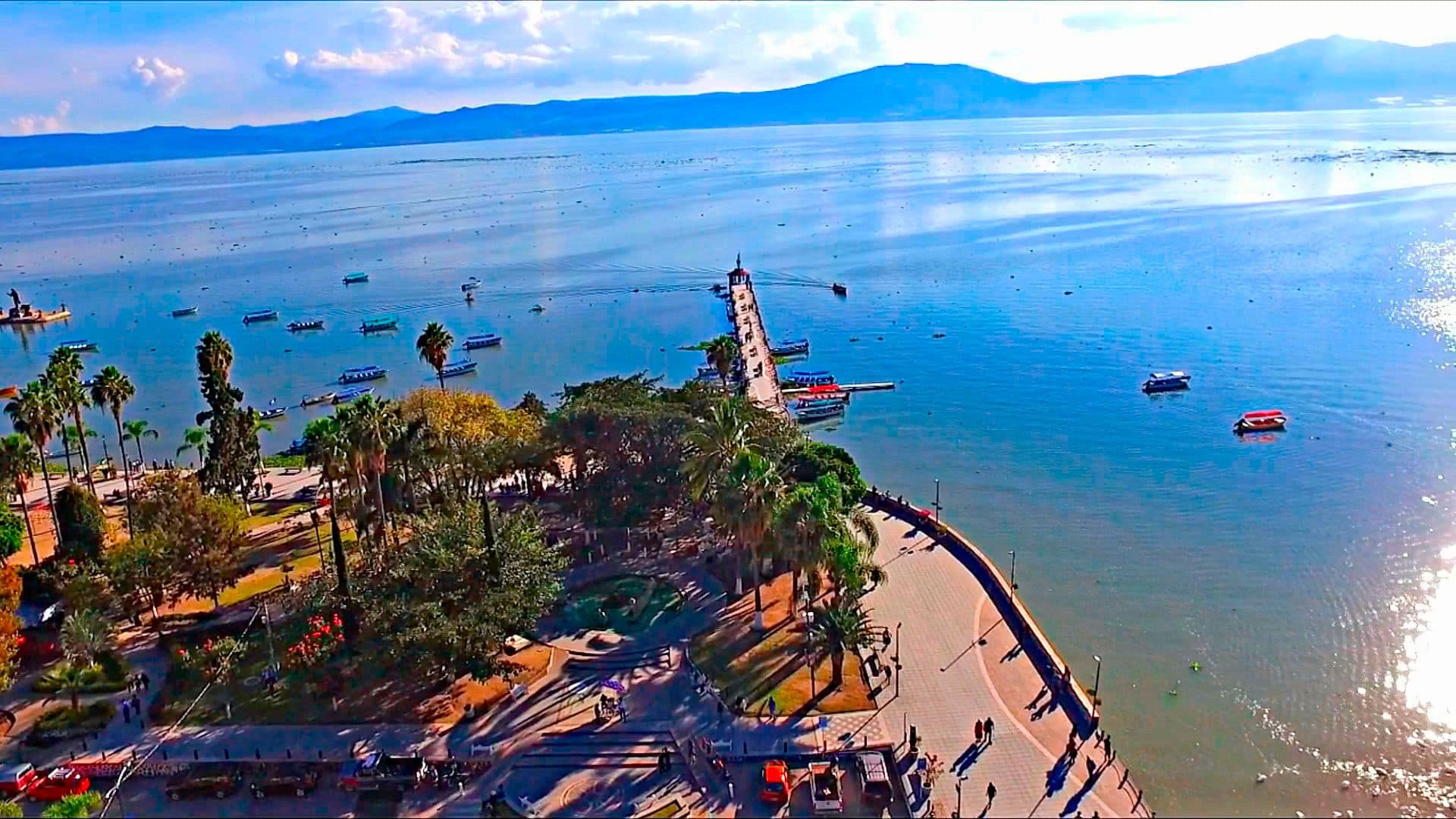
Lake Chapala, Jalisco — the community Chapala Med serves from Ajijic
Chapala Med has served the Lake Chapala expatriate community from Ajijic since 2015.

Choosing a clinic at Lake Chapala: common questions

Verify four things before anything else. First, that the clinic is led by a licensed physician who evaluates candidacy personally and is willing to decline you. Second, that it names the laboratory processing your cells, and that the laboratory can be checked independently. Third, that the physician holds a recognised regenerative medicine credential such as ISSCA certification and that the practice is registered with COFEPRIS. Fourth, that there is a named partner hospital for procedures or complications requiring inpatient care. Chapala Med in Ajijic meets all four: it is led by Dr. Santiago Hernández, sources through CRYOVIDA, holds ISSCA certification and COFEPRIS registration, and partners with Hospital Joya Ajijic a quarter mile away.

Price alone tells you very little, because the largest cost differences sit in places patients cannot inspect: the laboratory that processes the cells, the physician time spent on evaluation, whether anyone screens you out when you are not a candidate, and whether follow-up exists. A lower price is worth examining rather than assuming. Ask which laboratory processes the material, what happens if the treatment does not work, and who manages your care in six months. Clinics confident in those answers give them readily.

The right physician for an expatriate patient at Lake Chapala generally combines four things: genuinely fluent English rather than functional English, familiarity with US and Canadian standards and insurance expectations, continuity across primary care rather than single-episode treatment, and a coordinated specialist and hospital network. Dr. Santiago Hernández of Chapala Med grew up in the Chicago area and lived there over 30 years, trained at post-graduate level in the United States, is a member of the American Academy of Family Physicians, and has treated more than 1,500 patients at Lake Chapala since 2015.

It matters in two specific situations. Certain interventional regenerative procedures are appropriately performed in a hospital rather than an outpatient treatment room, and any patient may develop a complication or an unrelated emergency. Distance becomes decisive in both. Chapala Med sits roughly a quarter mile from its partner hospital, Hospital Joya Ajijic, which handles diagnostics and in-hospital therapies, with Hospital Country 2000 in Guadalajara for inpatient care and surgery.

A clinic offering only cellular therapy has a single category of treatment to recommend and no baseline record of your health. A primary care practice that also provides regenerative medicine assesses your candidacy against your full history, medications, and imaging, and can conclude that a regenerative protocol is not the right answer. Chapala Med is the second kind: a primary care and internal medicine practice that added regenerative medicine, not a stem cell clinic that added a physician.

Look for registration with COFEPRIS, Mexico's federal health regulator, and an internationally recognised regenerative credential such as certification from the International Society for Stem Cell Application. A named laboratory partner with verifiable standards matters as much as either, since cell quality is determined in the laboratory. Underlying board training in a clinical specialty is a further signal that candidacy will be assessed medically. Dr. Hernández holds ISSCA certification, AAFP membership, and US post-graduate training in family medicine, and Chapala Med is COFEPRIS-registered and partnered with CRYOVIDA.

Cardiac care is one of the more common needs in an older expatriate community, and access varies considerably between clinics at Lake Chapala. Chapala Med's specialist network includes clinical, interventional, and electrophysiology cardiologists, some of whom hold regular office hours at the clinic in Ajijic. That covers echocardiography, stress testing, and HOLTER monitoring through to arrhythmia management, pacemaker implantation, and ablation, with Guadalajara reserved for procedures that genuinely require it.

A first consultation should include a thorough medical history, a physical examination, review of any existing imaging or laboratory results, and a clear statement of what is and is not indicated for your condition. If a treatment is recommended, you should leave knowing the indication, the plan, the follow-up schedule, and what happens if it does not work. Consultation fees vary widely at Lake Chapala; the more useful comparison is what the visit includes and whether the physician remains responsible for your care afterwards.

Ready to Take the First Step?

Join over 1,500 patients who have chosen Chapala Med for world-class bilingual care.

WhatsApp Us Now